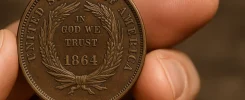
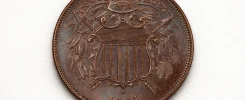
Beginning a coin-collecting journey is easier with a clear structure. Iconic American coin sets offer exactly that. They allow aspiring collectors to build experience in grading, sourcing, and identifying Lincoln Wheat Penny value while keeping budgets under control.
American series like Mercury Dimes, Buffalo Nickels, Washington Quarters, and Morgan Dollars offer a perfect blend of nostalgia and education. Each set includes common dates suitable for early practice as well as famous rarities that help collectors appreciate scarcity, mintage levels, and condition-based pricing.
Lincoln Wheat Cents (1909–1958): A Beginner’s Essential
No other series offers the mix of accessibility and depth that Wheat Cents provide. The design honors Abraham Lincoln and features two wheat stalks on the reverse, a visual style that anchors early 20th-century U.S. minting.
Why Beginners Love Wheat Cents
- Extremely affordable: many circulate for face coin value up to $2.
- Roll hunting remains one of the most popular low-cost ways to uncover early dates.
- More than 300 recognized varieties help collectors train their eyes.
- The iconic 1909-S VDB inspires long-term goals and teaches the importance of mintmarks.
Sorting and storing these cents in albums helps new collectors track progress and understand how wear patterns differ across decades.
Mercury Dimes (1916–1945): Art Deco History in Your Hand
The Mercury Dime is considered one of America’s most beautiful designs. The winged Liberty portrait captures the spirit of an era shaped by war, innovation, and shifting artistic trends.
Reasons Mercury Dimes Are Ideal for New Collectors
- Good to Very Fine examples generally cost less than $10.
- The series includes one famously scarce key date: the 1916-D.
- All pieces are 90% silver, adding intrinsic metal value.
- Sets help collectors practice distinguishing mintmarks (D and S).
With modest budgets, collectors can build extensive runs while developing grading skills based on details like hairlines and fasces sharpness.
Buffalo Nickels (1913–1938): An American Icon
Few designs are as instantly recognizable as the Buffalo Nickel. Featuring a Native American profile on the obverse and an American bison on the reverse, these coins embody the frontier spirit and the country’s early 20th-century identity.
Key Benefits for Beginners
- Circulated pieces cost $1–15 depending on date readability and can be easily checked via the coin identifier app free.
- Faded dates teach collectors how wear affects value.
- Sharp horn and bison detail help train the eye for strike strength.
- Low-relief varieties introduce nuance in coin design changes.
Buffalo Nickels also encourage study of American West symbolism and the minting challenges of sculptural designs.
Starter Series Cost Comparison
| Series | Years | Starter Cost (Circulated Set) |
| Lincoln Wheat Cents | 1909–1958 | $20–100 |
| Mercury Dimes | 1916–1945 | $50–150 |
| Buffalo Nickels | 1913–1938 | $30–120 |
| Washington Quarters | 1932–1964 | $40–200 (silver) |
| Morgan Dollars | 1878–1921 | $15–20 each |
Washington Quarters (1932–1964 Silver): A Bridge to Modern Collecting
With 90% silver content and clean, consistent design, early Washington Quarters make excellent teaching tools for weight and composition checks. Circulated examples typically cost $5–12, and full runs stay under $200.
Studying these quarters builds familiarity with:
- Pre-1965 silver testing (6.25 g expected weight)
- Mintmark positioning
- Strike differences between early and late years
Washington Quarters also lead naturally into modern State and America the Beautiful series, helping collectors expand without losing thematic continuity.

Morgan Silver Dollars (1878–1921): A Classic for Every Aspiring Collector
The Morgan Dollar is one of America’s most celebrated series. Its large size, detailed designs, and links to the Comstock Lode make it both historically significant and visually impressive. Although rare dates can be expensive, most circulated Morgans remain within reach for new collectors.
Why Morgan Dollars Make a Strong Entry Point
- Common circulated dates often sell for $15–20, keeping the barrier low.
- The series spans major economic shifts, including frontier expansion and early industrial development.
- Studying the mintmarks (CC, O, S, D, and P) introduces collectors to regional mint history.
- The coin’s size helps beginners understand contact marks, luster breaks, and storage-related wear.
Morgan Dollars also connect well with advanced topics like die varieties, VAM attribution, and minting technology — giving collectors rich material for long-term exploration.
Sourcing Coins: Where Beginners Should Start
Knowing where to buy coins safely is essential for both affordability and quality. Beginners often make impulsive purchases online, but a more strategic approach delivers better results.
Reliable Places to Source Beginner Sets
- Local coin shops: Provide hands-on examination and direct grading insight.
- Reputable online dealers: APMEX, JM Bullion, and David Lawrence Rare Coins offer clear photos and fair pricing.
- eBay sold listings: Useful once you understand grading, not before. Filter results by condition.
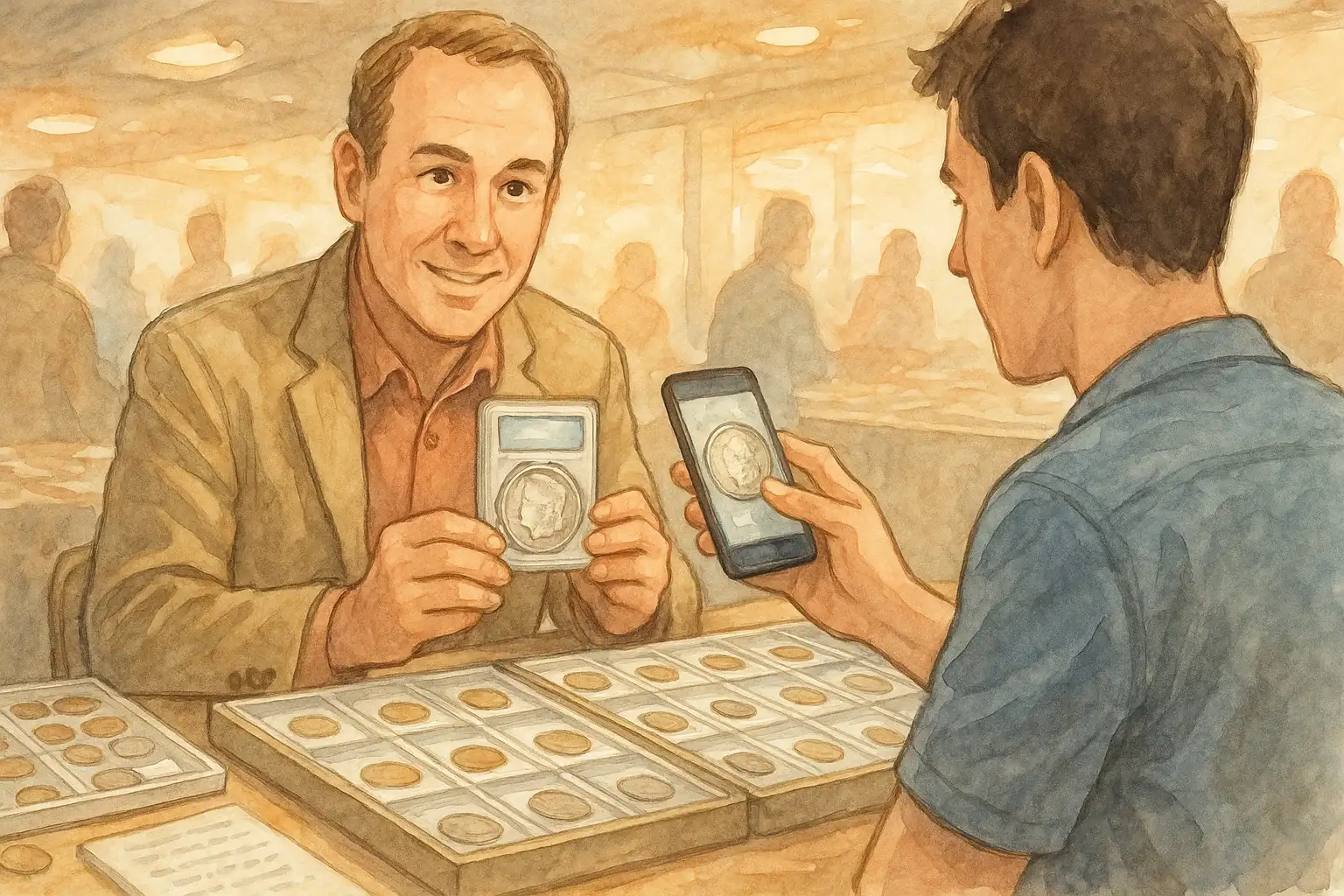
- Coin shows: Ideal for comparing dozens of pieces in one place and negotiating better prices.
- Community swaps or clubs: Affordable and low-pressure for practice.
When buying circulated coins, focus on consistency rather than perfection. A well-worn but problem-free coin is far better than a shiny piece with cleaning marks.
How to Verify Coins Without Overcomplicating the Process
Verification protects your collection from fakes, altered surfaces, and misidentified dates. With modern tools, beginners can perform quick checks that dramatically improve accuracy.
Simple Verification Habits
- Check weight: Example: a Washington silver quarter should weigh 6.25 g.
- Inspect rims and details: Look for natural wear patterns, not polished surfaces.
- Compare mintmarks: Ensure shape and placement match authentic examples.
- Use a loupe: A 10× magnifier reveals scratches, tooling, or casting defects.
Stick to clear, observable traits before moving to advanced diagnostics.
Adding Digital Confidence to Your Early Collecting
Visual verification is powerful, but beginners benefit from extra support while learning. This is where digital tools add real value.
The Coin ID Scanner app helps collectors identify coins by snapping a photo or uploading one from the gallery. The resulting coin card lists:
- years of minting
- country
- coin type
- edge
- composition
- diameter and weight
- estimated price
With a database of 187,000+ world coins, the app reduces uncertainty and helps confirm that a coin fits the correct series before you buy or store it. As collectors expand into multiple U.S. series or world silver, quick verification prevents mix-ups and ensures accuracy during album organization.
Tracking Early Progress With Simple Tools
Organization is key to enjoying long-term growth. Even beginners benefit from tracking purchases and noting conditions.
Recommended beginner-friendly methods:
- Album slots for visual progress
- Index cards for date/mintmark lists
- Spreadsheets for price, condition, and sourcing records
- Digital folders for photos of each coin
Seeing a set fill out gradually is one of the most rewarding parts of collecting — and it keeps motivation high as you work toward full series completion.
Specialize in the Series That Speaks to You
Advanced collectors narrow their focus. Specialization builds expertise, brings clarity to purchasing decisions, and prevents scattered buying that drains budgets without adding meaningful depth.
Popular Specialization Paths
- Lincoln Wheat Cents: Explore die varieties, repunched mintmarks, and doubled dies within a familiar framework.
- Mercury Dimes: Study fasces sharpness, full bands (FB) characteristics, and the impact of strike quality.
- Buffalo Nickels: Focus on date restoration challenges, Type 1 vs. Type 2 reverses, and strike weakness issues.
- Washington Quarters (Silver): Track mintmark rarity and the differences between early and late silver runs.
- Morgan Dollars: Dive into VAM varieties, mintmark scarcity (especially Carson City), and luster diagnostics.
Specializing doesn’t mean ignoring other coins. It means giving yourself a primary series where you build genuine expertise and a secondary one for exploration.
Refine Your Grading Skills With High-Accuracy Methods
Advanced collectors rely on consistent grading standards. Even small improvements to your grading eye can dramatically affect your long-term results.
Practical Paths to Better Grading
- Compare your coins regularly to certified examples from PCGS or NGC archives.
- Visit coin shows and examine slabbed examples under proper lighting.
- Review ANA grading courses to reinforce objective criteria.
- Practice side-by-side evaluations of coins within the same grade bracket.
Skilled graders learn to read subtle cues such as luster flow, contact mark placement, and weak vs. worn detail — qualities that directly impact value in iconic American series.
A Lifelong Journey of Discovery and Skill
Iconic American coin series offer beginners and intermediate collectors a timeless foundation. By progressing through structured steps — learning the basics, building a starter set, refining identification skills, mastering grading, engaging with the market, and specializing — anyone can develop into a thoughtful, advanced collector with a meaningful, coherent collection.
With patience, digital support, hands-on practice, and continuous study, the iconic U.S. series discussed in this guide become more than coins. They become milestones in a collector’s evolution — and a source of lasting enjoyment.